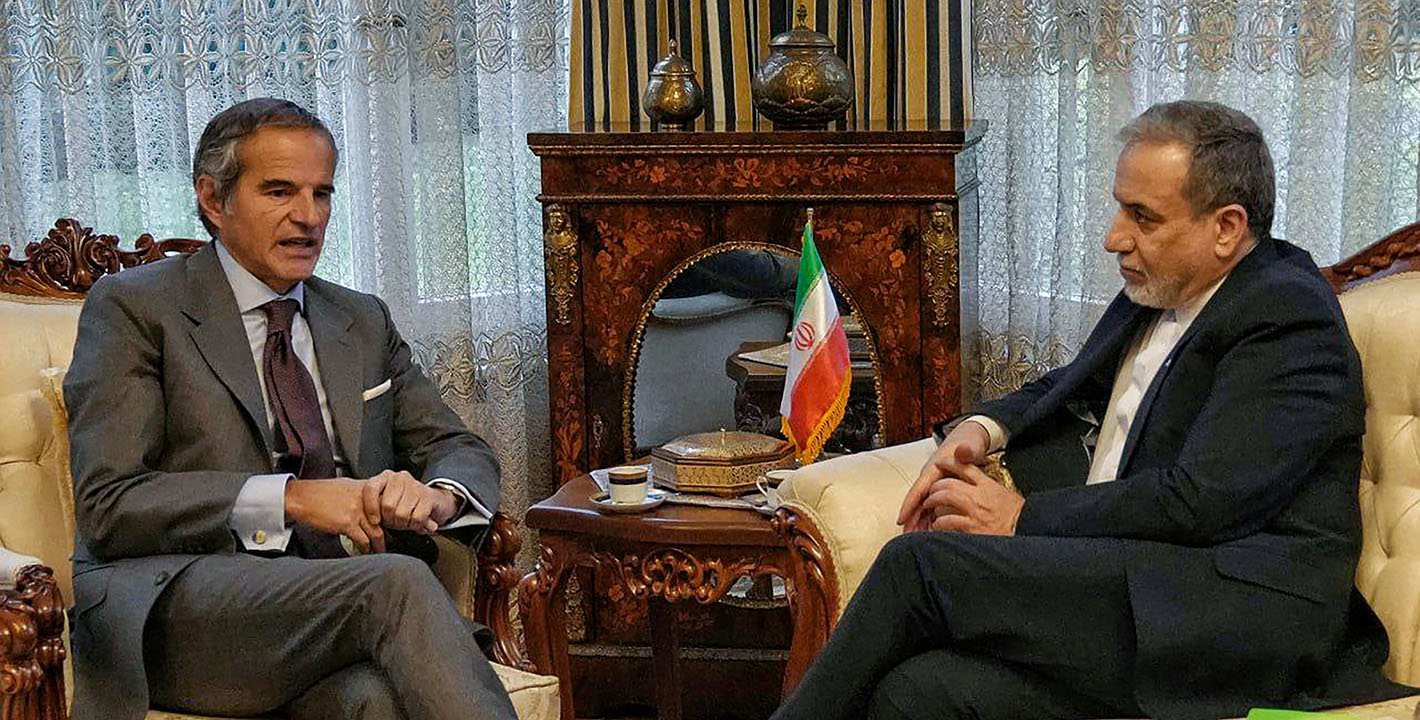
Beyond Diplomacy: Understanding Iran-US Relations Since 1980
The relationship between Iran and the United States has been one of the most complex, volatile, and consequential geopolitical dynamics of the last four decades. Far from a conventional diplomatic exchange, it's a saga steeped in historical grievances, ideological clashes, and strategic competition that reverberates across the Middle East and beyond. While initial encounters in the 19th century were characterized by mutual respect and a perceived American trustworthiness, particularly in contrast to British and Russian colonial ambitions, this foundation eroded dramatically, culminating in the complete severing of formal diplomatic ties. Since April 7, 1980, direct communication has largely been replaced by a chasm of mistrust, making
Iran-US relations a potent symbol of enduring international tension.
From Alliance to Adversity: The Post-Revolution Rupture
To truly grasp the nature of Iran-US relations since 1980, one must briefly acknowledge the seismic shift that preceded it. The relationship, once robust, particularly during the Cold War era when Iran under Shah Mohammad Reza Pahlavi was a critical US ally, began its fatal decline much earlier. A pivotal moment was the 1953 coup, orchestrated by the CIA and aided by MI6, which overthrew the democratically elected Prime Minister Mohammad Mosaddegh. This intervention, aimed at restoring the Shah's absolute power and securing Western oil interests, sowed deep seeds of resentment among many Iranians, fostering a lasting perception of US interference in their sovereign affairs.
The 1979 Iranian Revolution was the ultimate manifestation of this simmering discontent, transforming Iran from a pro-Western monarchy into an anti-Western Islamic Republic. The subsequent Iran hostage crisis (1979-1981) became the immediate catalyst for the complete breakdown of diplomatic relations. This event, where 52 American diplomats and citizens were held captive for 444 days, solidified an adversarial stance that has largely defined the two nations' interactions ever since. The profound ideological divergence between revolutionary Iran and the capitalist United States, coupled with the legacy of perceived US meddling, ensured that the path back to normalcy would be arduous, if not impossible.
A Chasm of Distrust: The Era of No Formal Ties
Since April 7, 1980, the United States and Iran have had no formal diplomatic relations. This void is a defining feature of their interaction, forcing contact through intermediaries and heightening the risk of miscalculation. In lieu of embassies, Pakistan serves as Iran's protecting power in the United States, managing Iranian interests through its embassy in Washington, D.C. Conversely, Switzerland acts as the United States' protecting power in Iran, handling American affairs via its interests section within the Swiss Embassy in Tehran. This indirect mode of communication underscores the profound lack of trust and the deep-seated animosity that precludes direct engagement.
The implications of this diplomatic vacuum are significant. Without established channels for direct dialogue, resolving disputes becomes exponentially harder. Misinterpretations of intentions or actions can quickly escalate, as witnessed in numerous incidents over the decades. Supreme Leader Ali Khamenei's August 2018 ban on direct talks with the United States further cemented this reality, emphasizing Iran's unwavering stance against what it views as US hegemonic pressure. This policy reflects a belief within Iran's leadership that direct negotiations with the US are inherently unbalanced and prone to exploitation, preferring to engage only through multilateral forums or indirect channels. For external observers, understanding this structural limitation is key to appreciating the enduring difficulty in de-escalating tensions or forging common ground.
The Nuclear Conundrum: A Central Pillar of Modern Tensions
Perhaps no single issue has dominated
Iran-US tensions more acutely than Iran's nuclear program. While Iran asserts its right to peaceful nuclear energy under the Nuclear Non-Proliferation Treaty (NPT), the international community, led by the US, has long expressed grave concerns that its enrichment activities could serve as a cover for developing nuclear weapons. This concern intensified as reports of clandestine facilities emerged, leading to a decades-long standoff.
A fleeting moment of potential de-escalation arrived with the 2015 Joint Comprehensive Plan of Action (JCPOA), commonly known as the Iran nuclear deal. This landmark agreement, forged between Iran and the P5+1 group (China, France, Germany, Russia, the United United Kingdom, and the United States), saw Iran agree to significantly curb its nuclear enrichment program and submit to rigorous international inspections in exchange for the lifting of economic sanctions. However, this diplomatic achievement proved fragile.
In 2018, the US, under President Donald Trump, unilaterally withdrew from the JCPOA, arguing that the deal was insufficient to prevent Iran from developing nuclear weapons and did not address Iran's ballistic missile program or its regional activities. This withdrawal triggered the re-imposition of crippling US sanctions, designed to pressure Iran's economy. In response, Iran gradually began to scale back its commitments under the deal, increasing uranium enrichment levels and reducing cooperation with international inspectors.
The escalation has been stark. Public rhetoric has often been inflammatory, with both sides trading barbs. Reports of direct strikes on Iranian nuclear sites and claims of "monumental damage" by then-President Trump highlighted the severity of the situation. While specific details of such operations remain contentious, the underlying message of military pressure and economic strangulation has been clear. The Nuclear Threat Initiative (NTI) documented Iran's significant nuclear and missile infrastructure, which has been a constant source of concern for US officials who fear Iran's intentions behind its advanced enrichment capabilities. Despite rounds of indirect talks, efforts to revive the JCPOA or craft a new agreement have consistently fallen short, leaving the nuclear question as a dangerous flashpoint.
Geopolitical Chessboard: Iran's Regional Role and US Concerns
Beyond the nuclear issue, Iran's strategic location and its active role in regional affairs profoundly complicate its relationship with the United States. Situated between Iraq and Afghanistan, and bordering the vital shipping lanes of the Persian Gulf and Gulf of Oman, Iran's influence is naturally extensive. However, the US and its allies view much of this influence as destabilizing, leading to Iran's official designation by the US Department of State as the "world's leading state sponsor of terror."
This label stems from Iran's support for various proxy groups and non-state actors across the Middle East, including Hezbollah in Lebanon, Houthi rebels in Yemen, and various Shi'ite militias in Iraq and Syria. These groups are perceived by Washington as instruments for projecting Iranian power, undermining US interests, and threatening regional stability, particularly for key US allies like Israel and Saudi Arabia. Iran, for its part, views these actions as defensive measures against perceived US and Israeli aggression, and as essential for safeguarding its regional security interests and supporting its ideological allies.
The economic landscape also plays a crucial role. Iran is rich in oil and natural gas, with hydrocarbons forming a significant portion of its energy generation. However, US sanctions have severely impacted Iran's ability to sell its oil on international markets, stifling its economy and limiting its resources for both domestic development and regional projection. This economic pressure is a key component of the US strategy to compel Iran to alter its nuclear program and regional behavior, although its effectiveness remains a subject of debate. The intertwined nature of Iran's internal politics, its economic pressures, its nuclear ambitions, and its regional posture means that solutions to any single issue often remain elusive without addressing the broader context of its deeply adversarial relationship with the United States.
Conclusion
The journey of Iran-US relations since 1980 is a testament to how historical events, ideological divides, and strategic competition can shape international affairs. From the dramatic rupture of the Iranian Revolution and the subsequent diplomatic freeze, to the enduring nuclear standoff and fierce competition for regional influence, the relationship remains defined by a deep chasm of distrust. With no formal diplomatic ties and limited direct communication, the risk of miscalculation remains high. Understanding this complex tapestry – woven from the threads of past grievances, present power struggles, and future uncertainties – is essential for anyone seeking to comprehend the volatile dynamics of the Middle East and the broader landscape of global security. Until fundamental issues of trust and security guarantees can be addressed, the path towards any form of normalization or de-escalation will remain fraught with challenges.