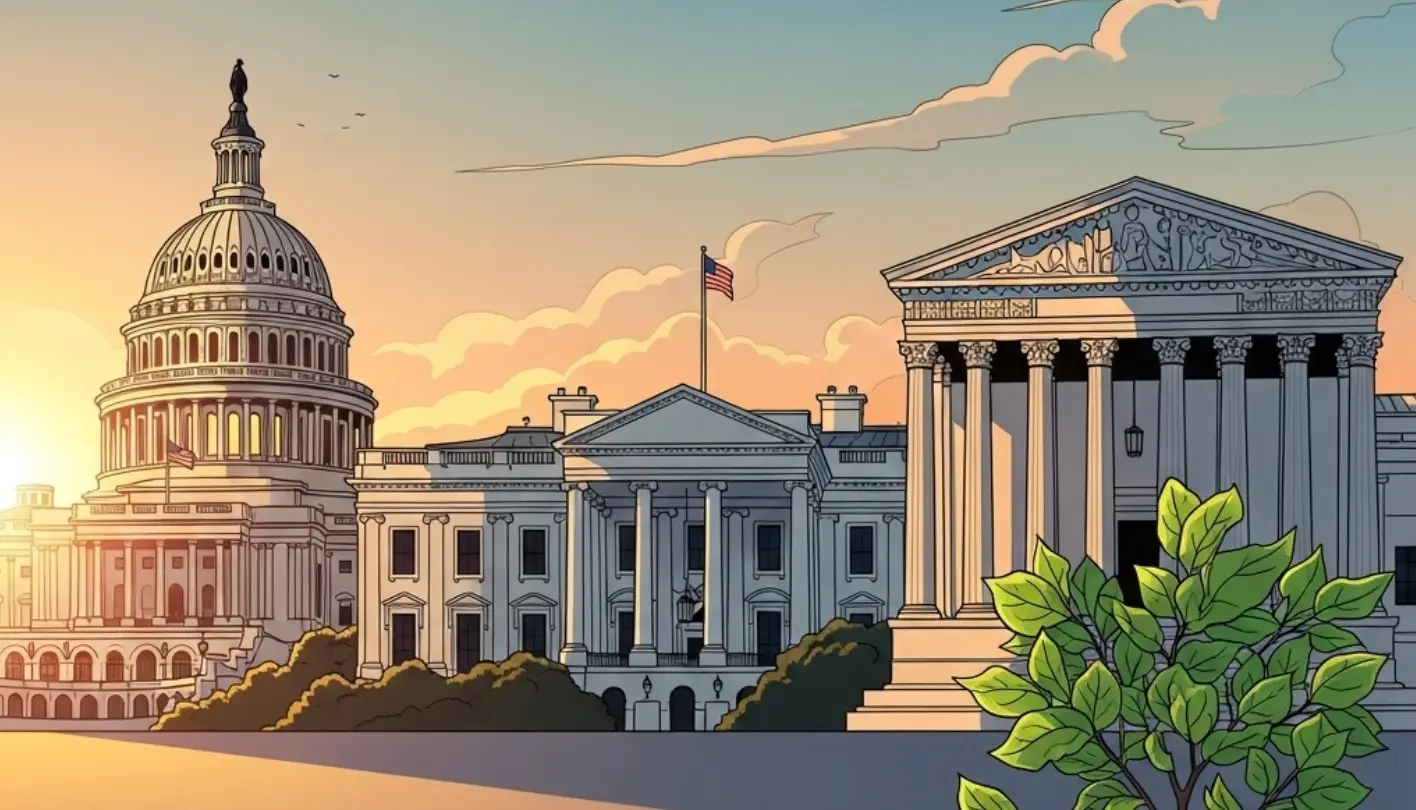
Iran-US Relations: A Century of Trust, Coups, and Nuclear Tensions
The relationship between Iran and the United States stands as one of the most complex and contentious geopolitical sagas of the modern era. Far from being a static rivalry, the history of Iran US relations is a dynamic tapestry woven with threads of initial trust, strategic alliances, covert operations, revolutionary upheaval, and enduring nuclear tensions. Understanding this intricate history is crucial for grasping the current state of affairs and the profound implications for global stability.
From Distant Allies to Deep Distrust: The Early Years of Iran-US Relations
A Trustworthy Partner Emerges (19th Century)
The story of modern Iran US relations began in the mid-to-late 19th century, when Iran, then known as Qajar Persia, found itself a pawn in the "Great Game" – a strategic rivalry between the British and Russian empires. Persia was understandably wary of these colonial powers, whose interests often clashed with its sovereignty. In stark contrast, the United States, a distant republic with no direct colonial ambitions in the region, was perceived as a more trustworthy foreign power. This perception of America as a benign outsider led to remarkable early collaboration. Figures like Arthur Millspaugh and Morgan Shuster, American financial experts, were appointed as treasurers-general by the Shahs of the time, tasked with reforming Persia's finances. This initial period laid a foundation of goodwill, portraying the U.S. as a potential modernizing force and a counterweight to European dominance.
Post-WWII Promise and the Shadow of Intervention
Even during World War II, when Iran was controversially invaded by two US allies, the United Kingdom and the Soviet Union, bilateral relations between Tehran and Washington remained largely positive. The post-war era seemed to promise continued cooperation. However, this period of relative amity took a dramatic and ultimately devastating turn during the government of Mohammad Mosaddegh. Mosaddegh, a democratically elected nationalist, sought to nationalize Iran's oil industry, challenging British economic interests. His actions, viewed with alarm by Western powers amidst the burgeoning Cold War, led to a pivotal and catastrophic event: the 1953 coup d'état. Orchestrated by the Central Intelligence Agency (CIA) and aided by MI6, the coup overthrew Mosaddegh's government, reinstalling Shah Mohammad Reza Pahlavi. This intervention, a profound betrayal of trust for many Iranians, etched a deep and lasting scar on Iran US relations, sowing seeds of anti-American sentiment that would germinate decades later.
The Cold War Alliance and the Seismic Shift of 1979
An Authoritarian Partnership
Following the 1953 coup, the relationship between Shah Mohammad Reza Pahlavi's authoritarian regime and the US government transformed into a close, strategic alliance. During the Cold War, Iran became one of America's staunchest allies in the Middle East, serving as a bulwark against Soviet expansion and a critical source of oil. The US poured military aid and investment into Iran, bolstering the Shah's regime in exchange for geopolitical influence and economic access. While this period saw significant modernization in Iran, the Shah's suppression of dissent and his close ties to the West fueled growing public resentment. The irony of supporting an authoritarian regime in the name of containing communism, while simultaneously undermining democratic aspirations, would prove to be a costly strategic error for the future of Iran US relations.
The Iranian Revolution and its Aftermath
The accumulated grievances against the Shah's autocratic rule and his perceived subservience to the West finally erupted in the 1979 Iranian Revolution. This momentous event, led by Ayatollah Ruhollah Khomeini, dramatically reversed the existing dynamics between the two countries. The revolution ushered in an Islamic Republic fundamentally opposed to what it termed "the Great Satan" – the United States. The subsequent hostage crisis at the US embassy in Tehran cemented this profound break, leading to a complete cessation of formal diplomatic relations on April 7, 1980. Since then, official contacts between the two nations have been conducted through third parties. Pakistan serves as Iran's protecting power in the United States, managing Iranian interests through its embassy in Washington, D.C. Conversely, Switzerland acts as the United States' protecting power in Iran, facilitating American interests through its embassy in Tehran. This arrangement highlights the deep chasm that has persisted in Iran US relations for over four decades, underscoring a period beyond diplomacy.
Nuclear Ambitions and Escalating Tensions: The Modern Era
The Uranium Enrichment Saga
In the modern era, the most dominant and persistent flashpoint in Iran US relations has been Iran's nuclear program. Tensions have consistently escalated, particularly following the US withdrawal from the 2015 nuclear deal (Joint Comprehensive Plan of Action - JCPOA). This withdrawal, initiated by the Trump administration, led to the re-imposition of crippling sanctions on Iran, intensifying distrust and triggering a cycle of actions and reactions. Satellite images have even shown direct strikes on Iranian nuclear sites during periods of heightened military activity, illustrating the gravity of the standoff. Iran, the second-largest nation by landmass in the Middle East, possesses significant oil reserves, though natural gas is its primary energy source, with nuclear power accounting for a minor sliver. Despite this, its pursuit of uranium enrichment has consistently raised international alarms.
According to organizations like the Nuclear Threat Initiative (NTI), Iran has numerous nuclear and missile sites. Concerns intensified when, following reports of strikes on its facilities, former President Trump declared, "Monumental Damage was done to all Nuclear sites in Iran, as shown by satellite images. Obliteration is an accurate term!" US officials have since expressed grave concerns over Iran's continued enrichment activities, fearing dangerous intentions. The Islamic Republic, governed by its Supreme Leader Ayatollah Ali Khamenei with an elected president as second-in-command, has banned direct talks with the United States since August 2018, further complicating any diplomatic breakthroughs. Tehran, its bustling capital, is approximately 6,300 miles from Washington, D.C., but less than 1,000 miles from Israel, a long-term strategic ally of the United States. This geographical proximity underscores the regional stakes of the nuclear standoff.
The Geopolitical Chessboard and Regional Stability
Beyond the nuclear issue, Iran US relations are deeply intertwined with the broader geopolitical landscape of the Middle East. The US Department of State has previously designated Iran as the "world’s leading state sponsor of terror," highlighting its concerns about Iran's regional influence through proxy groups in countries like Iraq, Syria, Lebanon, and Yemen. Iran, a mountainous country bordered by Iraq and Afghanistan and spanning from the Caspian Sea to the Persian Gulf, plays a pivotal role in a highly volatile region. The long-standing US alliance with Israel and Saudi Arabia, both regional rivals of Iran, further complicates the relationship, turning the Middle East into a complex geopolitical chessboard where every move has significant repercussions for regional stability and beyond. Understanding the intricate web of alliances and rivalries is key to comprehending the region.
Navigating the Future: Diplomacy, Sanctions, and Strategic Patience
The Diplomatic Deadlock
The absence of formal diplomatic ties and the Supreme Leader's ban on direct talks present formidable barriers to resolving the deep-seated issues in Iran US relations. While indirect talks have occasionally taken place, for instance in Geneva, they have often fallen short of achieving restrictive agreements or significant breakthroughs. The diplomatic deadlock means that opportunities for de-escalation, mutual understanding, and conflict resolution are severely limited, perpetuating a cycle of suspicion and antagonism. This persistent lack of direct communication makes any pathway to reconciliation incredibly challenging.
The Weight of Sanctions
A central pillar of the US strategy towards Iran has been the imposition of extensive economic sanctions. These sanctions are intended to pressure Iran into altering its nuclear program and regional behavior by crippling its economy. While they have undoubtedly had a significant impact on the Iranian economy, they have also fueled resentment and, in some cases, hardened the regime's resolve. The humanitarian implications of broad sanctions also raise concerns, as they can disproportionately affect ordinary citizens. The debate over the effectiveness and ethics of sanctions remains a contentious aspect of Iran US relations, with no clear consensus on their long-term strategic benefits.
Pathways Forward?
Despite the immense challenges, the future of Iran US relations remains critically important for global security. Navigating this complex terrain will require a nuanced approach, combining robust diplomacy with strategic patience. For policymakers, finding common ground, perhaps initially in areas of shared interest such as humanitarian aid or localized de-escalation efforts, could be initial steps for re-engagement, even if indirect. For observers, it's crucial to focus on official statements and actions, rather than just rhetoric, to discern potential shifts. The path ahead will likely involve continued indirect engagement, multilateral pressure, and an ongoing effort to prevent nuclear proliferation, while carefully managing regional tensions. Both nations hold the key to unlocking a more stable future for the Middle East and beyond.
From the initial perception of American trustworthiness in 19th-century Persia to the strategic alliance of the Cold War, and the subsequent revolutionary rupture, Iran US relations have undergone profound transformations. Today, the nuclear program and regional proxy conflicts dominate the discourse, maintaining a state of uneasy tension without formal diplomatic ties. The historical baggage of the 1953 coup and the 1979 revolution continues to cast a long shadow, making trust a scarce commodity. As the world watches, the future trajectory of this critical relationship will undoubtedly shape the geopolitical landscape of the Middle East and have far-reaching implications for international stability.