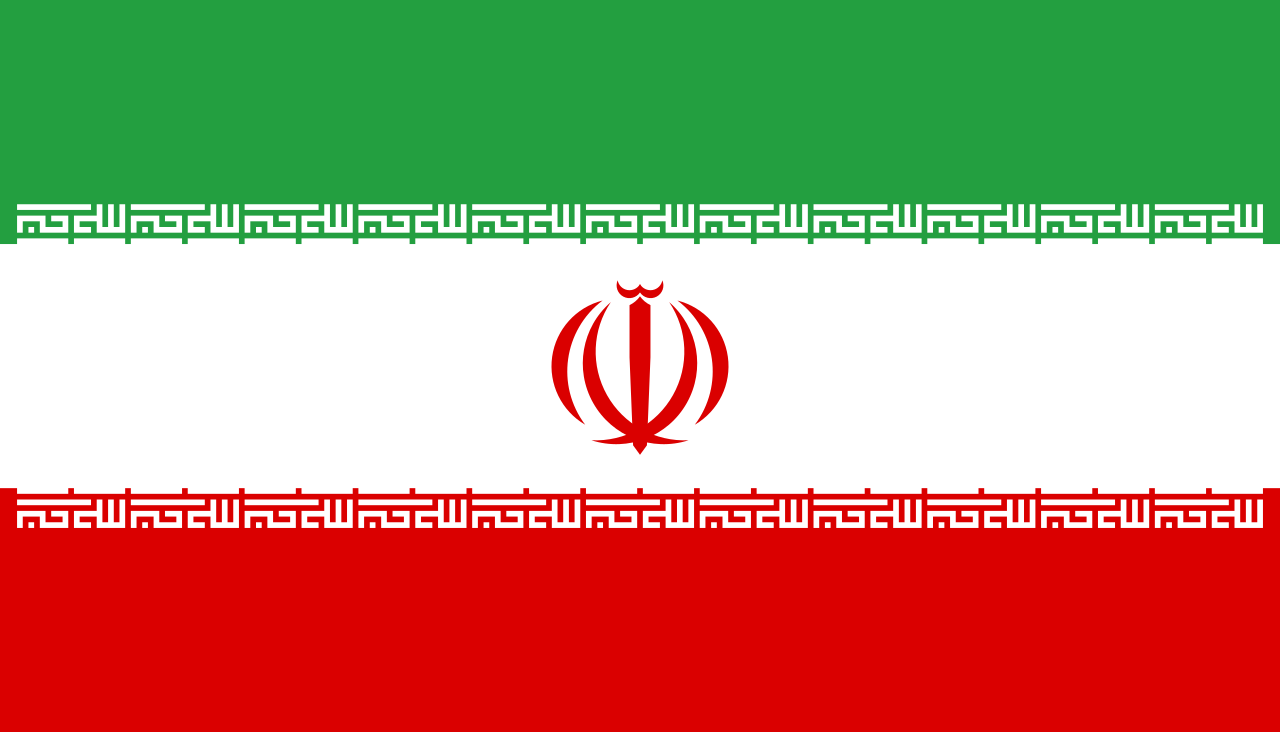
Nuclear Standoff: How Iran-US Tensions Reshape the Middle East
The intricate and often volatile relationship between Iran and the United States has long been a defining feature of Middle Eastern geopolitics. Far from being a recent phenomenon, the dynamic between Tehran and Washington is a tapestry woven from over a century of complex interactions, ranging from periods of surprising amity to profound mistrust and direct confrontation. Today, the world watches as the "Nuclear Standoff" continues to cast a long shadow, fundamentally reshaping regional alliances, economies, and the very fabric of stability in the Middle East.
A Troubled Legacy: The Historical Arc of Iran-US Relations
Understanding the current state of iran us relations requires a deep dive into history, a journey that reveals how deeply entrenched the present-day animosity is. In the mid-to-late 19th century, when Iran was known as Qajar Persia, the United States was perceived as a welcome counterweight to the encroaching colonial interests of Great Britain and Russia. American figures like Arthur Millspaugh and Morgan Shuster even held significant financial positions within the Shah's government, signaling an early era of trust and cooperation.
This positive trajectory, however, began to fray after World War II. Despite Iran being invaded by US allies (the UK and Soviet Union), relations remained cordial for a time. The pivotal turning point arrived in 1953 with the overthrow of the democratically elected Prime Minister Mohammad Mosaddegh, orchestrated by a joint CIA and MI6 operation. This event, deeply etched into Iran's national memory, sowed the seeds of enduring mistrust, creating a legacy that continues to influence perceptions of Western intervention. This period transitioned into an era of close alliance between the US and Shah Mohammad Reza Pahlavi's authoritarian regime, with Iran serving as a crucial Cold War ally. The dramatic reversal came with the 1979 Iranian Revolution, which transformed Iran into an Islamic Republic and fundamentally reshaped its stance towards the West, particularly the United States. For a more detailed look into this foundational history, read our article: Iran-US Relations: A Century of Trust, Coups, and Nuclear Tensions.
Since April 7, 1980, the two nations have maintained no formal diplomatic relations. Instead, a unique system of "protecting powers" facilitates limited contact: Pakistan represents Iran's interests in the United States, while Switzerland handles American interests in Iran. Contacts are strictly channelled through the Iranian Interests Section of the Pakistani Embassy in Washington, D.C., and the US Interests Section of the Swiss Embassy in Tehran. Adding another layer of complexity, Supreme Leader Ali Khamenei issued a ban on direct talks with the United States in August 2018, underscoring the deep political chasm.
The Nuclear Conundrum: At the Heart of Modern Tensions
Today, the core of the friction in iran us relations revolves around Iran's nuclear program, specifically its uranium enrichment activities. Tensions escalated significantly following the US withdrawal from the landmark 2015 Joint Comprehensive Plan of Action (JCPOA), commonly known as the Iran nuclear deal. This withdrawal, under President Donald Trump, led to the re-imposition of crippling sanctions and a "maximum pressure" campaign aimed at curtailing Iran's nuclear ambitions and regional influence.
The situation reached critical levels with reports of "major combat operations" and direct strikes on Iranian nuclear sites during a 12-day conflict between Iran and Israel. While the full extent of the damage was debated, with President Trump declaring "Monumental Damage" and "Obliteration" to sites, US officials continue to express grave concerns regarding Iran's ongoing uranium enrichment. Iran maintains its program is for peaceful energy purposes, pointing to its rich natural gas reserves and significant oil wealth (though oil accounts for less than half of its energy generation, with nuclear power contributing only a sliver). However, the dual-use nature of uranium enrichment technology fuels international fears of proliferation, especially given Iran's past nuclear secrecy. Efforts to de-escalate through indirect talks, such as those held in Geneva, have repeatedly fallen short of achieving a restrictive nuclear agreement, leaving the world on edge.
Geopolitical Chessboard: Iran's Role and Regional Dynamics
Iran's strategic geography and unique political structure position it as a critical player in the Middle East. As the second-largest nation by landmass in the region, bordered by Iraq and Afghanistan to the west and east, the Caspian Sea to the north, and the Persian Gulf and Gulf of Oman to the south, Iran commands a significant geopolitical footprint. Its capital, Tehran, is not only an economic hub but also the largest populated city, reflecting Iran's national strength.
Under the ultimate authority of the Supreme Leader, Ayatollah Ali Khamenei, with an elected president as the second-in-command, Iran projects considerable influence through a network of proxies across the region. This "arc of influence" from Tehran to the Mediterranean is often cited by the US Department of State, which has previously labelled Iran as the "world's leading state sponsor of terror." This support for various non-state actors, including Hezbollah in Lebanon, the Houthis in Yemen, and various militias in Iraq and Syria, directly challenges US and allied interests, particularly those of Israel, a close strategic partner of the United States and less than 1,000 miles from Iran. The ongoing tension, therefore, isn't just bilateral; it's a regional struggle for dominance, exacerbating existing conflicts and creating new flashpoints across the Middle East.
Fact: The Nuclear Threat Initiative (NTI), a global security organization, reported that Iran possessed 30 nuclear sites and 17 missile sites in 2025 prior to the US airstrikes, highlighting the scale of its nuclear infrastructure and missile capabilities.
Beyond Diplomacy: Navigating the Standoff and Future Outlook
The current state of iran us relations, characterized by a ban on direct talks and reliance on intermediaries, presents immense challenges for de-escalation and conflict resolution. The absence of direct communication channels often leads to misinterpretations and heightened rhetoric, making an already volatile situation even more precarious. The stakes are incredibly high, ranging from the immediate risk of military confrontation to the long-term destabilization of global energy markets and the broader Middle East.
Moving forward, navigating this complex standoff requires a multi-faceted approach that extends beyond traditional diplomacy. Here are some key considerations:
- Understanding Core Security Concerns: Both nations perceive threats from the other. For Iran, it's the history of foreign intervention and the ongoing sanctions. For the US and its allies, it's Iran's nuclear program and regional proxy activities. Acknowledging these deeply held concerns is the first step towards finding common ground.
- Strengthening Multilateral Engagement: Even without direct bilateral talks, forums involving European powers, Russia, and China can play a crucial role in maintaining pressure, facilitating indirect dialogue, and exploring diplomatic off-ramps.
- De-escalation Mechanisms: Establishing clear, albeit indirect, channels for de-escalation in times of crisis is paramount to prevent accidental conflicts from spiraling out of control.
- Economic Relief & Incentives: While sanctions are a tool of pressure, exploring targeted economic incentives could provide Iran with a pathway for re-engagement, provided it meets international compliance standards regarding its nuclear program and regional conduct.
For individuals seeking to understand this intricate relationship, it's crucial to appreciate the layers of history, ideology, and strategic interests at play. The narrative is rarely black and white, and simplifying it often leads to misjudgments. To delve deeper into how this diplomatic vacuum has shaped the past four decades, consider reading: Beyond Diplomacy: Understanding Iran-US Relations Since 1980.
Conclusion
The nuclear standoff between Iran and the United States is more than a diplomatic impasse; it is a critical determinant of regional stability and global security. Rooted in a troubled history marked by trust, betrayal, and revolution, the current tensions, primarily fueled by Iran's nuclear ambitions and its assertive regional posture, necessitate careful navigation. As two nations divided by a 6,300-mile distance between Washington D.C. and Tehran, and an even greater ideological chasm, their future interactions will undoubtedly continue to reshape the Middle East, demanding constant vigilance and innovative diplomatic strategies from the international community to avert broader conflict and pave the way for a more stable future.